


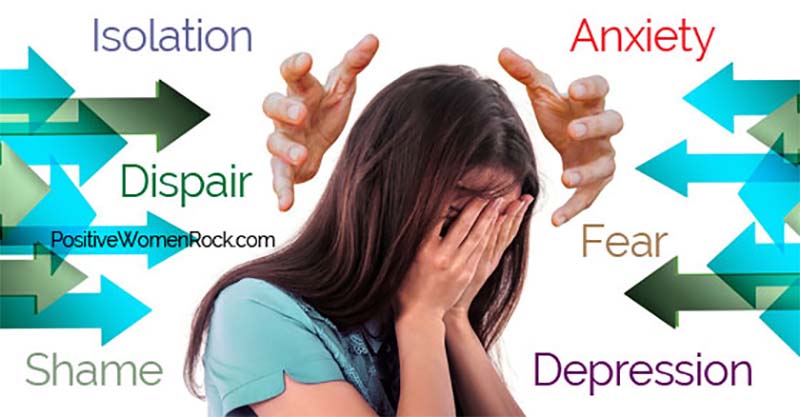
One of the aspects of the coronavirus pandemic that we cannot ignore is the mental health side of it, be it from isolating at home or from the financial effects of losing your steady income. Fortunately, there are plenty of free resources for you to take advantage of.
If you live in Harris County, it is as simple as a free phone call. That’s it.
The Harris Center has activated a COVID-19 Mental Health Line. If you or a loved one need help coping with anxiety, grief, worry, or other behavioral health issues, please consider calling the The Harris Center’s Mental Health Support Line at 833-251-7544.
The National Alliance on Mental Illness has produced a helpful guide on maintaining your mental health during this crisis, along with providing a toll free number to get help – (800-950-NAMI (6264) Monday through Friday, between 10:00 am and 6:00 pm EST) . Click here for the full report, here are a few details:
What can you do?
1. Remember that knowledge is power. Understanding the factors that affect a person’s immune response to COVID-19 will matter as much as, or more than, understanding the virus! Poor lung health caused by smoking, lack of adequate health care, suppressed immune systems, and/or populations particularly susceptible to infectious diseases, such as the elderly, have been particularly affected by COVID-19. Yes, there is risk, but for the vast majority the risk is not commensurate with the degree of obsession and panic that media and social media coverage of the virus has bred.
2. Don’t accept everything you read or hear. Keep in mind that news outlets are profit-driven and the age-old adage, “if it bleeds it leads,” can result in exaggerated reporting. Look beyond the numbers and arm yourself with information. Centers for Disease Control and Prevention (CDC) provides information and frequent updates on the COVID-19’s spread, severity, risk assessment, etc. To subscribe to the CDC’s email and text message service, visit CDC Subscription Service.
3. Put things in perspective:
- In 2017, nearly 40,000 people in the U.S. died from a fall in the home.
- CDC estimates that influenza has resulted in 9 – 45 million illnesses, 140,000 – 810,000 hospitalizations, and 12,000 – 61,000 deaths annually since 2010.
- The fatality rate of COVID-19 is 2% — higher than the flu but lower than SARS (10%) or MERS (30%).
- More than 80% of coronavirus cases are mild.
4. Get your emotional support system in place:
- Maintain familiar routines in daily life as much as possible; take care of your basic needs and employ helpful coping strategies: rest during work or between shifts, eat healthy food and engage in physical activity.
- Stay connected with others and maintain your social networks:
- Have the emails and phone numbers of close friends and family at your fingertips.
- Stay connected via email, social media, video conference and telephone.
- Find a free online support group (see page 3 for a list of options).
- Reach out to your local NAMI Affiliate or State Organization for information on support programs in your area.
- Visit the NAMI Resource Library, which provides an extensive list of in-person and online support groups, and other mental health resources.
- Contact the SAMHSA Disaster Distress Helpline (800) 985-5990 that provides 24/7, 365-day-a year crisis counseling and support to people experiencing emotional distress related to natural or human-caused disasters.
- Have the number of several Warmlines (emotional support hotlines) at your fingertips. • Call the NAMI HelpLine at 800-950-NAMI (6264) Monday through Friday, between 10:00 am and 6:00 pm EST for mental health resources.
- National Mental Health Consumer’s Self-Help Clearinghouse is a nationwide directory to locate local consumer-driven mental health services, including resources such as Clubhouses, crisis prevention/respite services, drop-in Centers, employment resources, housing, peer case management and support. The website maintains search function for directory of local CDS (consumer-driven services).
5. Take control and incorporate preventative measures
- Wash your hands. See the CDC’s list of preventative measures.
- Avoid watching, reading or listening to news reports that cause you to feel anxious or distressed. A near-constant stream of news reports can cause anyone to feel anxious or distressed. Instead, seek CDC updates and practical guidelines at specific times during the day.
- Be supportive to others. Assisting others in their time of need can benefit the person receiving support as well as the helper.
That is really good advice, plus they have a lot more information in the full report.
Forbes magazine has a good article on the mental health aspect of this. Click here to read the full article. A few excerpts:
- Cut back news and social media intake. “I would encourage everyone to limit their exposure to the news and to customize their social media feeds—by following more accounts and pages that make them feel good—regardless of the current pandemic,” says Dr. Kreft. “Your brain is built to problem solve. And when you are already feeling fearful, it naturally seeks out stimuli in your external environment to reinforce the feeling of fear. The brain then deletes, distorts and generalizes all incoming information that does not align with your current emotional state or beliefs. So if you spend a significant amount of time following the news, it reinforces more reason to worry— thus creating a vicious cycle,” explains the mental health expert. To keep fear and panic at bay, Dr. Kreft recommends limiting your news consumption to about five to ten minutes per day and setting a similar time limit for checking your social media accounts. In addition, if someone you follow is sharing posts that are often inaccurate or perturbing, try muting their posts to stop seeing their updates.
- Get information from only reliable sources. Some legitimate and reliable sources of COVID-19-related news and updates include the Centers for Disease Control and Prevention (CDC), World Health Organization (WHO), John Hopkins’ Coronavirus Resource Center and the U.S. Food and Drug Administration (FDA). “It is helpful to adopt a more analytical approach as you follow news reports about the coronavirus. You will also want to verify information that you receive from family, friends or social media,” says the American Psychological Association (APA). Moreover, “consume only what you need to know, what’s most relevant to you and particularly what is happening or anticipated in your own community,” suggests the National Alliance on Mental Illness (NAMI).
- Keep things in perspective. “Take a deep breath and remind yourself that most people who contract COVID-19 will only experience mild symptoms,” says APA. “Work is being done to help people who may be more vulnerable to the coronavirus, such as senior citizens and those with underlying health conditions,” it adds. The most important thing you can do to help yourself and your loved ones is to take all the precautions, including washing hands and practicing social distancing.
Excellent advice.
I know, I know, most of you reading this are older, like me, and have experienced multiple crises and we know that we will get through it and we’ll be good on the other side.
But think about those of us that are younger and haven’t been through it and don’t have the experience that we do. Or, those that are older and are reading articles where politicians are saying that they must sacrifice their lives for the good of the economy.
That, my friends, is stressful.
So don’t let your mental health deteriorate.
If none of the above is helping, please call the National Suicide Hotline at 1-800-273-8255 before you do something irreversible.